Local SEO Tools for UK Small Businesses: 3 Practical Shortlist Options Before You Hire an Agency
A local customer rarely starts by typing your company name. They search for a service, a town, a map result, a review pattern, or a phrase like “near me”. If your business information is inconsistent, your Google Business Profile is thin, or your rankings change from one postcode to the next, a normal website audit will not show the whole problem.
The practical question is not “which local SEO tool is the winner?” It is: which tool shows the gap you can actually fix this month?
This shortlist compares three local SEO tools for UK small businesses that are trying to make a sensible decision before buying software or signing an agency retainer. AnalysisCom may earn a commission if you click some partner links, but our editorial process is explained on our editorial policy page, and you can learn more about the site on About AnalysisCom.
How to Choose Local SEO Tools for UK Small Businesses
Local SEO is narrower than general SEO. A technical audit may catch crawl errors, Core Web Vitals issues, missing metadata, and thin content. Local SEO adds a different layer: Google Business Profile accuracy, categories, reviews, citations, service areas, map rankings, and consistency across directories.
Google’s own Business Profile guidance says local businesses should represent themselves accurately, use precise address or service-area information, choose the fewest useful categories, and avoid duplicate profiles. Google’s LocalBusiness structured data documentation also explains that business details such as hours, departments, and reviews can help Google understand a local business entity.
For a UK SME, the buying decision usually starts with one of four problems:
- You do not know where you rank in the Local Pack or Google Maps.
- Your business details are inconsistent across directories.
- Your Google Business Profile lacks reviews, categories, photos, or useful service information.
- You need reporting before deciding whether an agency is worth the monthly cost.
If the problem is broad, choose a platform that covers audit, rankings, citations, and reviews. If the problem is measurement, choose a rank tracker first. If the problem is multi-location data control, choose a listings platform.
Quick Comparison: BrightLocal vs Whitespark vs Yext
| Tool | Practical fit | Strongest use case | Watch out for |
|---|---|---|---|
| BrightLocal | UK SMEs and small agencies that want a broad local SEO workflow | Local rank tracking, GBP audit, citation audit, review monitoring, and reports in one place | It may be more platform than you need if you only want one simple ranking check |
| Whitespark Local Rank Tracker | Businesses and consultants that need detailed local ranking measurement | Tracking Local Pack, Maps, and organic rankings by location and keyword group | It is strongest for visibility tracking, not a full replacement for content or technical SEO work |
| Yext Listings | Multi-location businesses that need controlled listing distribution | Consistent business data across many publisher networks and analytics by location | It can be too enterprise-oriented if you operate one simple location and need hands-on SEO execution |
1. BrightLocal: Broad Local SEO Workflow for SMEs That Need Structure

BrightLocal is the broadest fit in this shortlist. Its official local SEO tools page covers local rank tracking, citation auditing, Google Business Profile auditing, review monitoring, Google Analytics connection, GBP Insights integration, and white-label reporting. Its main site also positions the product around rank tracking, listings management, online reputation, citation building, and managed local SEO services.
That makes BrightLocal a sensible first shortlist option when your local SEO problem is not yet clearly diagnosed. A trades business, clinic, local professional service firm, or small retail group may need to know several things at once: where it ranks, whether listings are inconsistent, whether reviews are improving, and whether a competitor has stronger GBP signals.
BrightLocal is also useful when you are comparing in-house execution against an agency retainer. If the platform shows that your local visibility gaps are mostly citations, categories, reviews, and ranking patterns, you may not need a broad agency contract immediately. If the reports reveal website, content, conversion, and analytics issues as well, you can bring a clearer brief to an agency.
Pricing note checked on 29 June 2026: BrightLocal’s public pages show different starting points for different platform, citation, and managed-service packages. Treat those figures as package-specific, not a single universal price. Always verify current pricing before buying.
Choose BrightLocal if you want a practical local SEO operating dashboard. Skip it if you only need one narrow ranking report and do not want a broader workflow.
2. Whitespark Local Rank Tracker: Strong Fit for Measuring Local Visibility
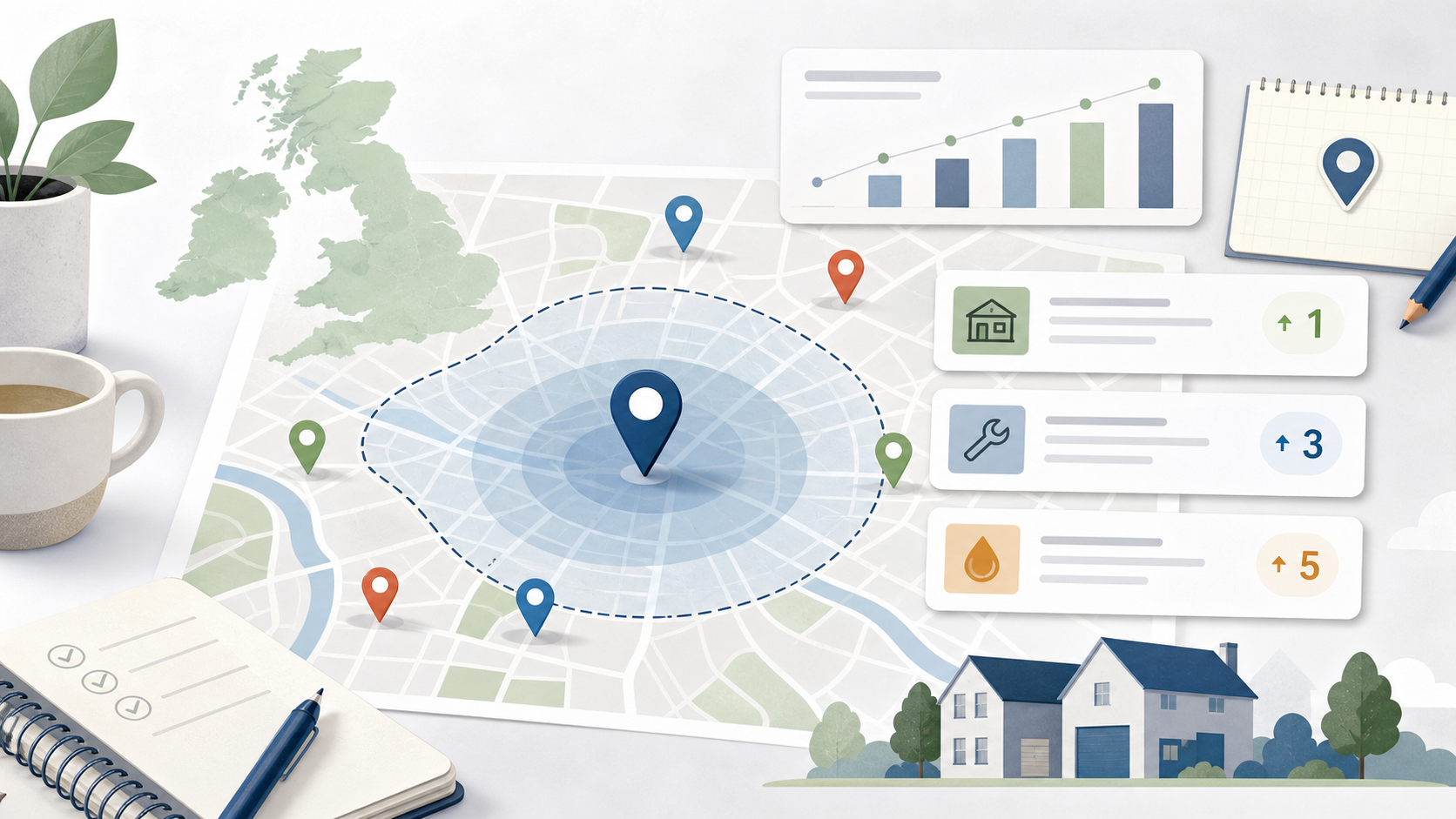
Whitespark’s Local Rank Tracker is the focused option here. Its official page says it tracks Local Pack, Maps, and organic results in Google and Bing across desktop and mobile. It also supports tracking by zip or postal code, geo-coordinate, city centre, keyword groups, locations, competitors, and Google Business Profile data.
That matters because local rankings are not uniform. A plumber, dentist, gym, accountant, or estate agent can look visible from one side of town and nearly invisible from another. A generic rank tracker may hide that difference. A local rank tracker helps you see the shape of the market before spending money on content, citations, links, or paid ads.
Whitespark is a good fit when the core question is: “Are we actually improving in the places that matter?” It is also useful for consultants who need to explain local performance to clients without reducing everything to one average position.
The tradeoff is scope. Whitespark can help you understand visibility and identify ranking opportunities, but it will not automatically write your service pages, fix your technical SEO, or replace a clear review-generation process. If your business has not yet cleaned up its Google Business Profile basics, start there before over-reading ranking grids.
Pricing note checked on 29 June 2026: Whitespark’s Local Rank Tracker page showed public plans starting from small-business tiers, with separate monthly and annual billing. Verify current plan limits before purchase, especially if you track multiple services across multiple locations.
Choose Whitespark if local visibility measurement is your main gap. Skip it if you need an all-in-one workflow covering listings, reviews, audit, and managed execution.
3. Yext Listings: Better for Multi-Location Listings Control
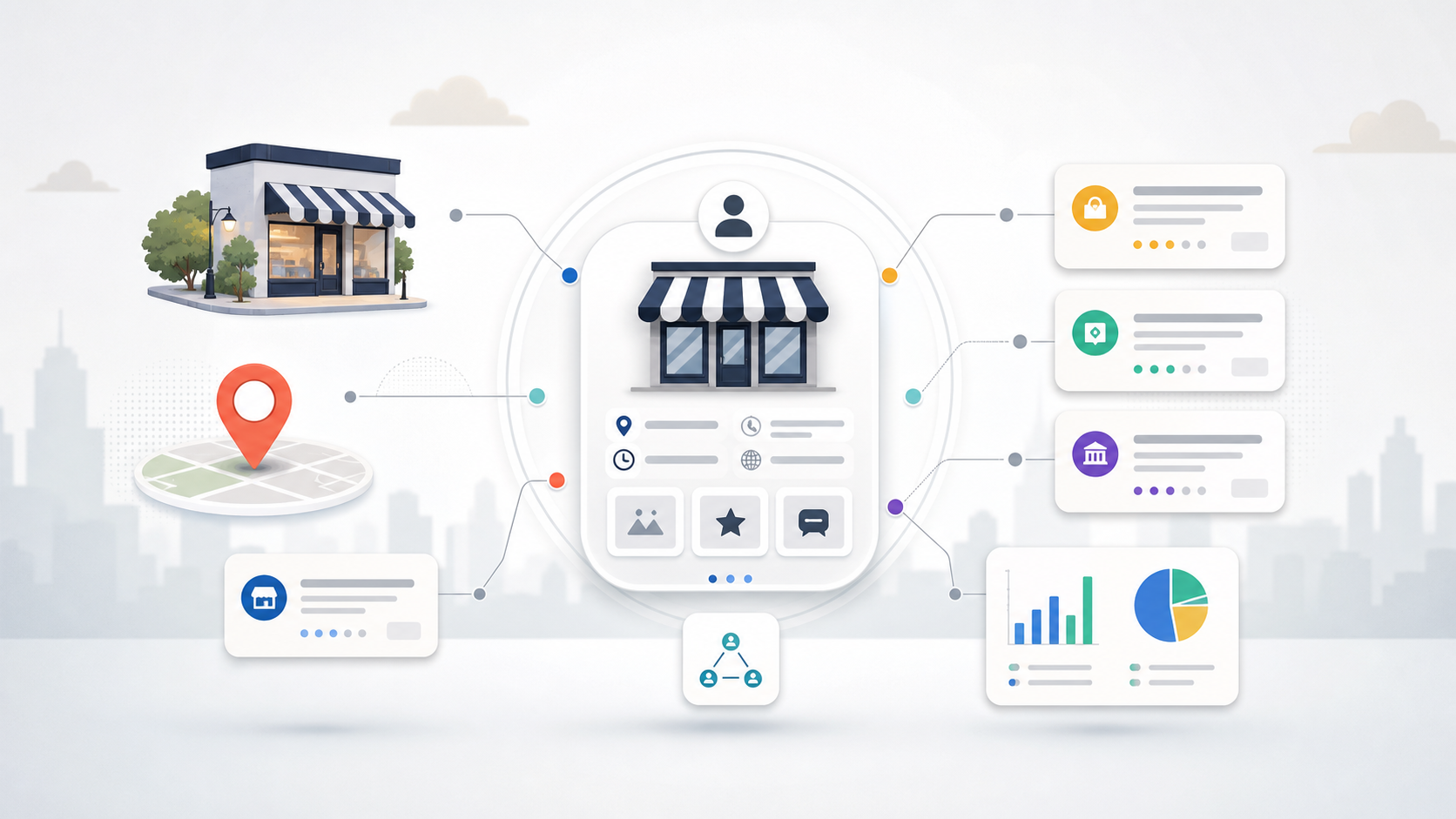
Yext is the most enterprise-oriented option in this shortlist. Its Listings page focuses on keeping business information consistent and accurate across 200+ publishers, with direct publisher integrations, structured business data, Google Business Profile connection, issue detection, listing enrichment, and analytics for impressions, clicks, calls, and directions.
That makes Yext a stronger fit for multi-location or operationally complex businesses than for a single-location SME that only wants a quick visibility check. If you manage several branches, franchises, clinics, stores, or service locations, the risk is not just “we rank badly”. The risk is that each location has different hours, categories, phone numbers, duplicate records, missing attributes, or inconsistent publisher data.
Yext is also worth shortlisting when listings accuracy has operational consequences. A wrong phone number, outdated opening time, or inconsistent service location can waste demand you already earned. For local SEO, that is not a cosmetic issue; it affects trust and conversion.
The limitation is cost and fit. Yext’s public Listings page is built around platform capability and demo-led buying rather than a simple self-serve small-business price. If you have one location and mostly need to understand rankings or reviews, BrightLocal or Whitespark may be easier to evaluate first.
Choose Yext if you need structured listings control across many locations and publisher networks. Skip it if you want a lightweight tool for one business profile.
When a Tool Is Enough, and When You Still Need an Agency
A local SEO tool is enough when the work is operational and repeatable. Examples include checking rankings, finding inconsistent citations, monitoring reviews, auditing a Google Business Profile, or producing a monthly local visibility report.
An agency may still be useful when the diagnosis points beyond local listings. If your service pages are weak, your analytics setup is broken, your website is slow, or your conversion path is unclear, software will surface the issue but not solve it. In that case, compare this article with our guide to Website SEO Audit Tools for UK SMEs and our comparison of an Analytics Consultant vs SEO Agency.
For WordPress-heavy businesses, also read our guide on choosing a WordPress service partner before buying a retainer. And if you want to understand how we judge digital service partners, see How AnalysisCom Scores Digital Service Partners.
A Practical Buying Sequence for UK SMEs
Start with your Google Business Profile. Confirm the business name, category, address or service area, phone number, website, opening hours, and duplicate profile risk. Google’s own guidance is clear that real-world accuracy and category discipline matter.
Next, decide what you need to measure. If you do not know whether rankings vary across postcodes or service areas, use a local rank tracker before commissioning a broad content plan. If you already know the visibility gap but your business information is inconsistent, prioritise citations and listings.
Then choose the tool by workflow:
- Choose BrightLocal if you need a balanced local SEO platform.
- Choose Whitespark if ranking visibility is the main unknown.
- Choose Yext if listings consistency across locations is the main operational risk.
Finally, use the first month to produce an agency brief. Export what the tool shows: weak locations, missing citation sources, review gaps, profile issues, ranking patterns, and reporting needs. The right agency conversation becomes much easier when you bring evidence rather than a vague request to “improve SEO”.
FAQ
What are local SEO tools for UK small businesses?
Local SEO tools help a business manage visibility in local search results, especially Google Business Profile, Local Pack rankings, maps visibility, directory citations, reviews, and location-based reporting. For UK SMEs, the most useful tool is usually the one that identifies the specific gap blocking local discovery.
Is BrightLocal or Whitespark better for a small business?
BrightLocal is usually the broader workflow option because it covers rankings, GBP audit, citations, reviews, and reporting. Whitespark is more focused on local rank tracking and location-level visibility. If you need diagnosis across several local SEO tasks, shortlist BrightLocal first. If you mainly need accurate ranking measurement, shortlist Whitespark first.
Is Yext suitable for a single-location business?
Yext can work for a single location, but its strongest fit is usually multi-location listings control. A single-location SME should compare the buying process, pricing, and required workflow carefully before choosing it over a lighter local SEO platform.
Do local SEO tools replace an SEO agency?
No. A tool can measure rankings, show citation gaps, monitor reviews, and organise local SEO work. It does not replace strategy, content production, technical fixes, conversion work, or ongoing execution. Many SMEs should use a tool first, then hire help with a clearer brief.
What should I check before paying for a local SEO tool?
Check whether it covers your real problem: GBP audit, rank tracking, citation cleanup, review monitoring, reporting, or multi-location listings. Also check billing terms, location limits, export options, Google integrations, and whether the reports are clear enough for the person who will act on them.